
GPS Vehicle Monitoring for Gas Pipeline Safety enables Think Gas to protect critical infrastructure through real-time vehicle tracking, GPS technology, geofencing, and instant safety alerts. The solution helps proactively monitor vehicles operating near sensitive gas pipeline areas to prevent potential accidents, infrastructure damage, operational disruptions, and costly safety incidents.
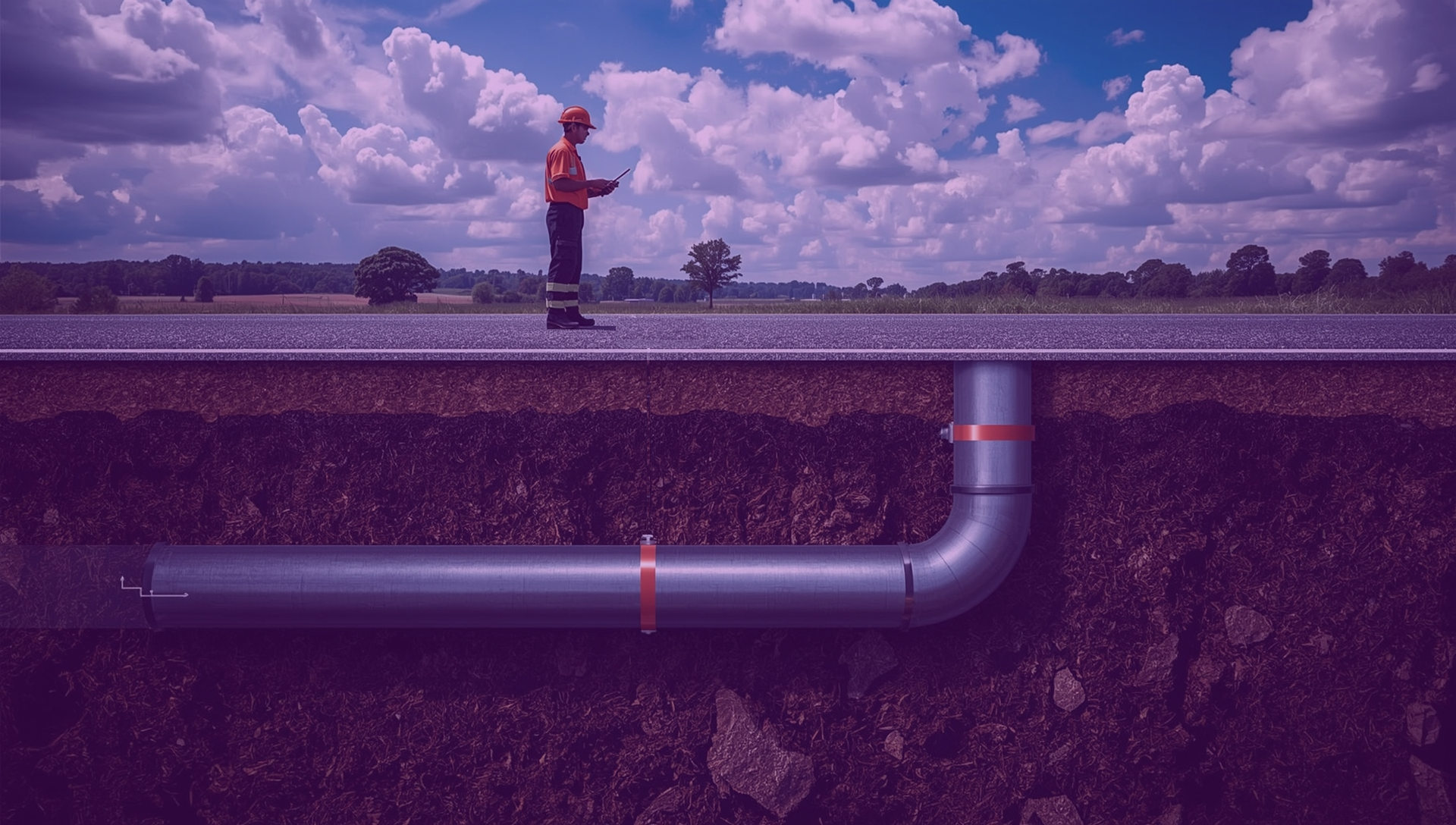
7 Benefits of GPS Vehicle Monitoring for Gas Pipeline Safety
GPS Vehicle Monitoring for Gas Pipeline Safety enables Think Gas to protect critical infrastructure through real-time vehicle tracking, geofencing, and instant safety alerts. By proactively monitoring vehicles operating near sensitive gas pipeline areas, the solution helps prevent potential accidents, infrastructure damage, operational disruptions, and costly safety incidents.
Enhancing Gas Pipeline Safety with GPS-enabled Vehicle Monitoring
Gas pipelines are critical infrastructure assets that require the highest levels of safety and protection. Many companies operate market-driven vehicles in areas where pipelines are present, which increases the risk of accidents, damage, and operational disruptions if not monitored properly. Traditionally, without advanced technology, monitoring these vehicles was manual, reactive, and inefficient—leading to delayed detection of potential threats and costly consequences.
The implementation of GPS Vehicle Monitoring for Gas Pipeline Safety provides a proactive approach to protecting pipeline infrastructure. Instead of depending entirely on manual supervision, GPS tracking technology enables companies to monitor vehicle activities and respond quickly when potential safety risks are identified.
Challenges Without GPS Vehicle Monitoring
Without GPS tracking, vehicles may unknowingly pass over or near gas pipelines, creating a high risk of accidents and damage. Companies have no way to monitor these movements in real time, which means safety teams often respond after an incident occurs rather than preventing it. This delay not only endangers infrastructure but also increases operational costs, liability, and downtime.
Traditional monitoring processes also require significant manual coordination. Safety teams may have limited visibility into vehicle movements near sensitive pipeline locations, making it difficult to identify potential threats before they develop into serious incidents.
The GPS and Geofencing Solution
By equipping all vehicles with GPS devices and creating geofences around gas pipeline areas, companies can monitor vehicle movement in real time. Whenever a vehicle approaches a restricted pipeline zone, instant alerts are triggered and sent to the safety team and coordinators.
This proactive system allows immediate communication with drivers, helping them avoid danger zones and ensuring that preventive measures are taken before an incident occurs. The GPS Vehicle Monitoring for Gas Pipeline Safety solution provides safety teams with greater visibility and enables faster coordination when vehicles approach sensitive infrastructure.
7 Benefits of GPS Vehicle Monitoring for Gas Pipeline Safety
- Proactive Safety: Prevents vehicles from entering sensitive areas and helps reduce potential risks to critical gas pipeline infrastructure.
- Instant Alerts: Notifications are sent the moment a potential risk is detected near a restricted pipeline zone.
- Real-time Coordination: Safety teams can communicate with drivers quickly and guide them away from sensitive or restricted areas.
- Risk Mitigation: Minimizes the chances of accidents, leaks, infrastructure damage, and operational disruptions.
- Efficiency Gains: Reduces dependence on manual vehicle monitoring and improves operational efficiency.
- Improved Visibility: Provides safety teams with greater visibility into vehicle movements near critical pipeline infrastructure.
- Faster Safety Response: Enables safety teams and coordinators to respond quickly when a vehicle approaches a restricted location.
Proactive Monitoring Through GPS and Geofencing
One of the key advantages of GPS Vehicle Monitoring for Gas Pipeline Safety is the ability to transform infrastructure monitoring from a reactive process into a proactive safety framework.
Real-time GPS tracking provides continuous visibility into vehicle movements, while geofencing technology establishes virtual boundaries around sensitive gas pipeline locations. When vehicles approach these areas, automated alerts allow safety teams to take immediate action.
This approach strengthens operational safety by providing teams with the information required to identify risks and coordinate preventive measures before infrastructure damage occurs.
ROI: Return on Investment
Investing in GPS Vehicle Monitoring for Gas Pipeline Safety delivers strong financial and operational returns. By improving infrastructure protection and reducing dependence on manual monitoring, companies can strengthen safety while improving operational efficiency.
- Cost Avoidance: Prevents expensive repairs resulting from potential pipeline damage.
- Reduced Liability: Lowers the risk of penalties, claims, and accidents.
- Operational Savings: Decreases downtime through faster communication and coordination.
- Lower Monitoring Costs: Reduces expenses associated with manual supervision and monitoring.
- Business Continuity: Protects critical infrastructure and helps ensure uninterrupted operations.
Overall, the return on investment is significant. By preventing even a single major pipeline accident, companies can recover the cost of implementing GPS tracking many times over while ensuring long-term operational safety.
Strengthening Critical Infrastructure Protection
The use of GPS Vehicle Monitoring for Gas Pipeline Safety demonstrates how digital technology can help companies strengthen critical infrastructure protection. Real-time tracking, geofencing, and automated alerts provide greater visibility into vehicle movements near sensitive locations.
This improved visibility enables safety teams to respond more effectively to potential risks while maintaining stronger operational control. The solution also helps create a more structured and technology-driven approach to gas pipeline safety management.
Conclusion
GPS with geofencing is not just a safety tool—it is a strategic investment. It transforms pipeline monitoring from reactive to proactive, delivering real-time visibility, efficient coordination, and strong financial returns.
The successful implementation of GPS Vehicle Monitoring for Gas Pipeline Safety helps companies safeguard critical gas infrastructure, protect their workforce, improve operational efficiency, and ensure smooth, uninterrupted operations through proactive monitoring and real-time safety coordination.
- Dec, 2022


- Mar, 2023

- Jun, 2021
- Jan, 2021